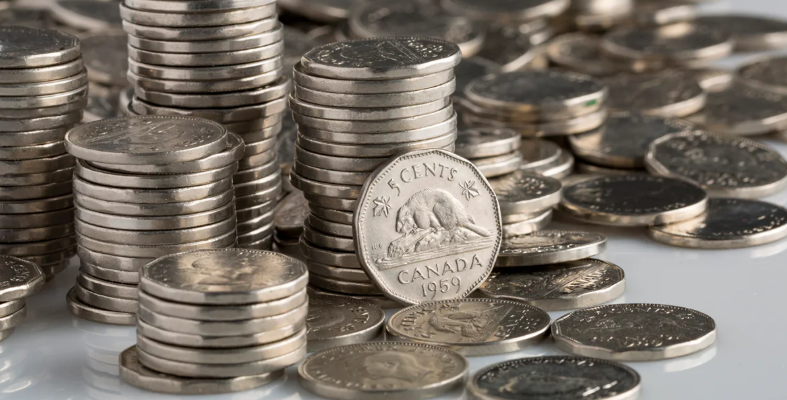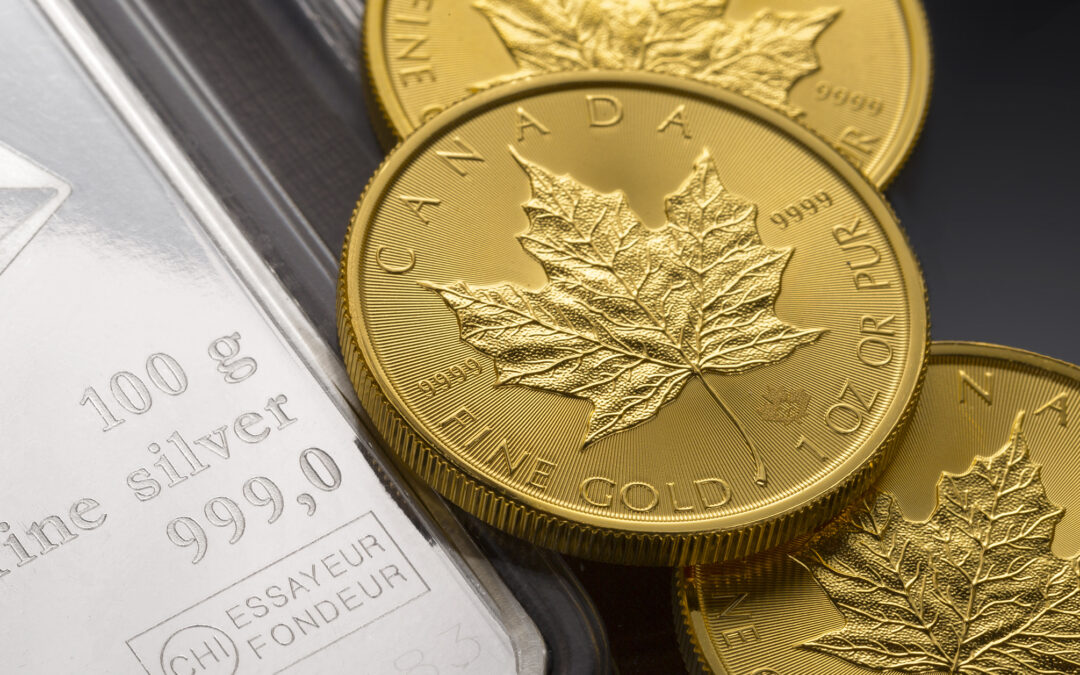
At Canada Gold, a frequent question we receive is: what is the difference between a collector coin and an ingot coin? ? Although both are made from precious metals like gold and silver, they are valued in very different ways, especially when it comes time to sell them.
Understanding this distinction can help clarify why some pieces have higher premiums and why resale values can vary so widely.
Ingot coins: value based on precious metal content
Bullion coins are produced primarily to represent a specific quantity and purity of precious metal. Their value closely follows the current market price of gold or silver.
Common characteristics of ingot pieces include:
- Standardized weight and purity
- Large production runs
- Broad recognition in the precious metals market
- Minimal emphasis on rarity
Collector coins: market value
Collector coins, also known as numismatics, are valued for more than just their precious metal content. Their market value is influenced by factors of scarcity and demand.
These factors may include :
- Keystroke size
- Historical or cultural significance
- Condition and conservation
- Certification or classification
- Collector interest at a given time
As a result, collector's items often sell for far more than the value of their underlying metal.
Why collector coins come with a premium
The premium associated with a collector's item reflects the added value placed on it by collectors. This premium exists because certain pieces are harder to find, more sought-after, or have a particular historical or artistic appeal.
Collectors' premiums are influenced by :
- Rarity
- Demand from the collector community
- Condition and authenticity
- General trends in the numismatic market
These premiums are not fixed and may change with market conditions.
Why certain collector's items increase in value
In some cases, collector's items become more valuable than their original purchase price. This usually happens when demand increases, or when high-quality examples become less frequent.
Contributing factors may include:
- Increased interest in a specific series or era
- Limited availability of well-preserved copies
- Recognition among collectors
- Professional grading confirms condition and authenticity
When these elements align, the value of a collector's item can exceed both its initial cost and its precious metal value.
Why some collector's items are valued for their metal alone
Not all collector's items retain their original premiums. Over time, some coins lose the interest of collectors and are no longer actively sought after.
This can happen when :
- Print runs higher than expected
- Changing collection trends
- The parts were heavily promoted at launch
- Condition or storage reduces their appeal
In these cases, the market may value the coin primarily according to its precious metal content rather than its initial retail price.
How parts are valued at resale
When a piece is appraised for resale, several factors are taken into account:
- Current precious metals prices
- Active demand from collectors
- Rarity and availability
- Condition and classification
- Recent activity on the secondary market
If collector interest exists, it can influence value. Otherwise, precious metal content provides a constant basis.
Choosing between bullion coins and collector coins
Ingot coins and collector coins have different purposes and meet different needs.
- Bullion coins are generally chosen for their direct link with metal prices and their ease of valuation.
- Collector coins appeal to those interested in history, design and numismatic value, with the understanding that premiums depend on market demand.
No option is intrinsically better; the distinction lies in expectations and intention.
A clearer perspective on coin value
Coins may share similar materials, but their value is influenced by different market forces. Understanding the difference between bullion value and numismatic value helps explain why some coins retain added value over time, while others are valued primarily on the basis of their precious metal content.
This perspective enables buyers and sellers to approach the market with clearer expectations and a better understanding of how the value of pieces is determined.
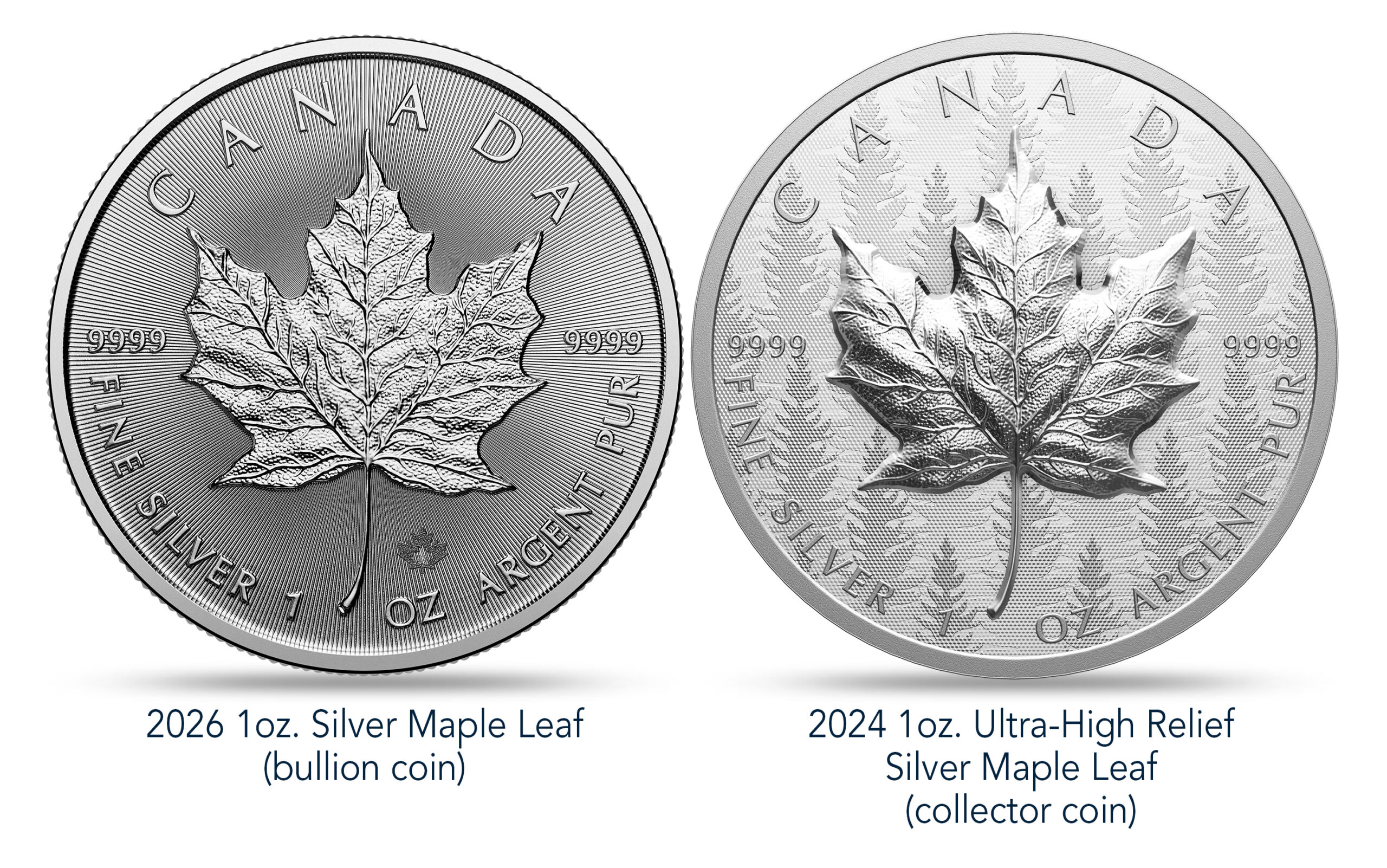
A practical comparison: 1 oz Silver Maple Leaf vs. 1 oz Silver Maple Leaf 2024 ultra-high relief 20 $
A clear way to understand the difference between bullion coins and collector coins is to compare two silver coins issued by the Royal Canadian Mint that share the same central theme: the classic Maple Leaf design. Although they contain the same amount of silver, these coins appeal to different audiences and are valued differently in the marketplace.
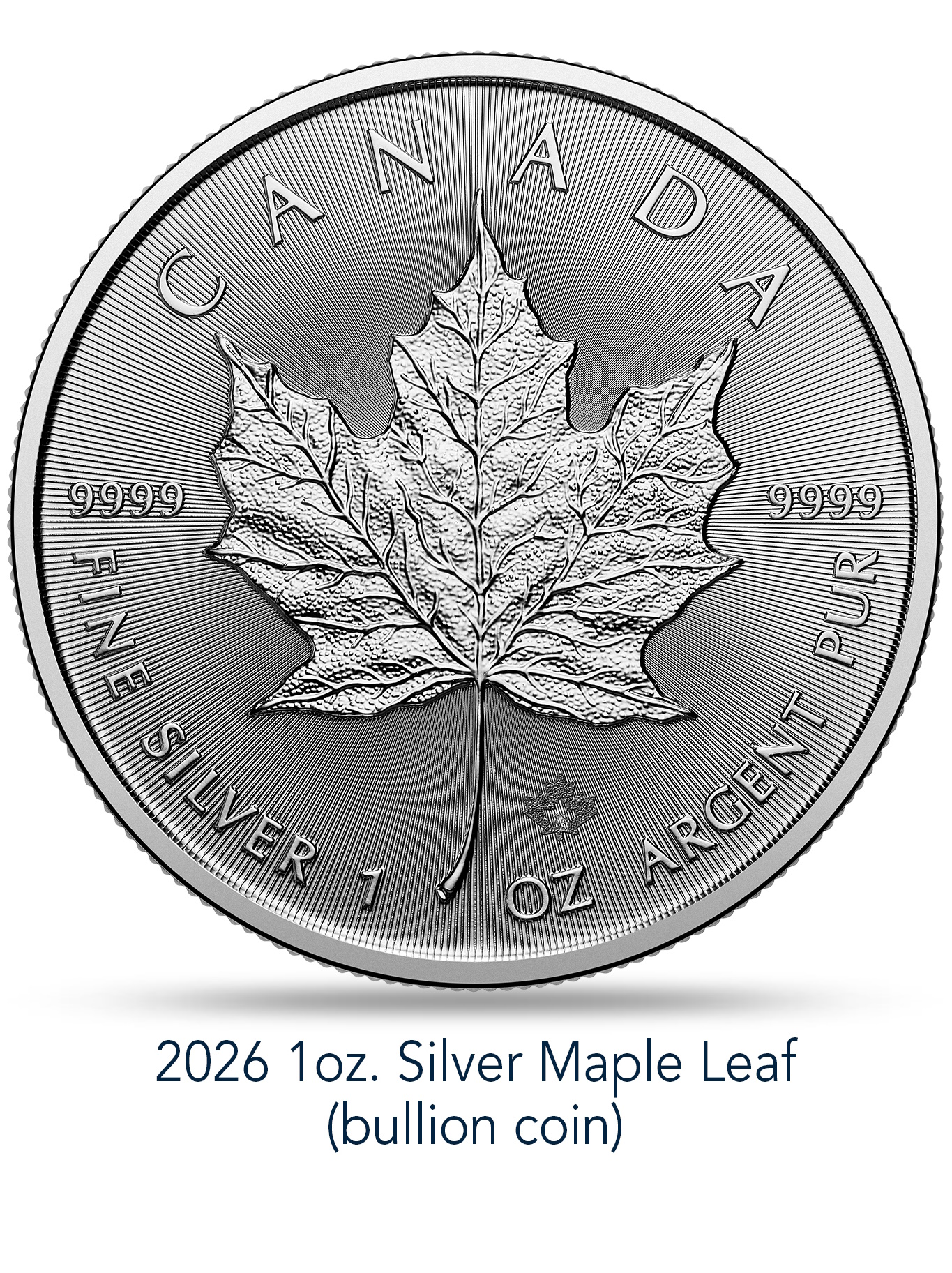
1 oz Silver maple leaf (ingot piece)
The 1 oz Standard Silver Maple Leaf is a world-renowned bullion coin produced annually by the Royal Canadian Mint. It is designed primarily for silver possession rather than for collecting.
Main features :
- One troy ounce of fine silver
- Annual strikes
- Consistent design and specifications
- High liquidity on national and international markets
When sold, a 1 oz Silver Maple Leaf is generally valued according to its silver content, with a modest premium reflecting current market conditions, demand and the coin's condition.
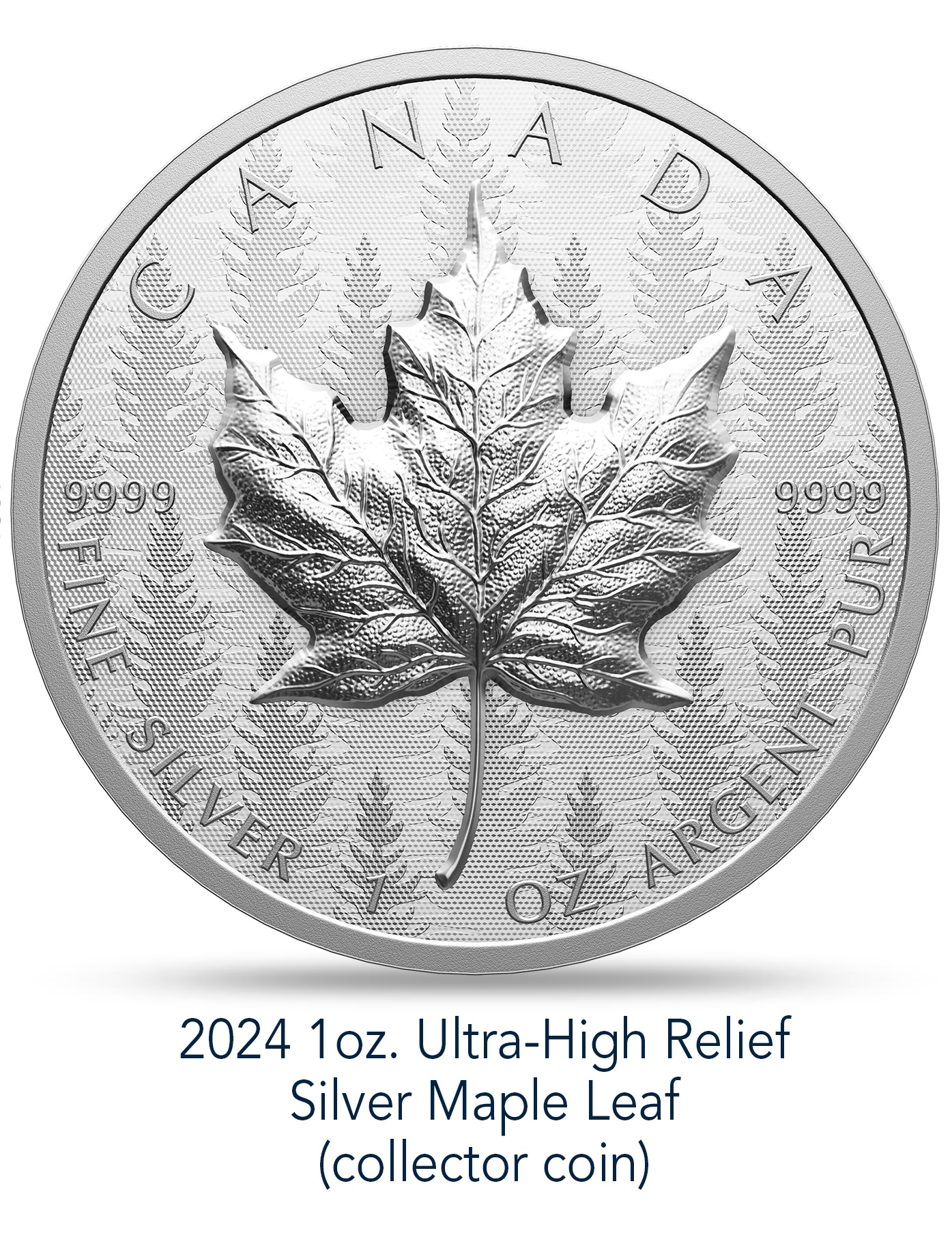
Silver maple leaf 1 oz 2024 ultra-high relief of 20 $ (collector's item)
The 20 $ Ultra-High Relief 1 oz 2024 Silver Maple Leaf is a collector's edition, emphasizing craftsmanship and specialized minting techniques. Although it contains the same amount of silver as the bullion version, it is not primarily designed as a metal investment.
This room usually features :
- A limited strike
- Ultra-high relief engraving adds depth and dimension to the design
- A higher initial issue price than standard ingots
- A demand driven by collectors
At the time of issue, collector coins like this carry a much higher premium, reflecting craftsmanship, rarity and aesthetic appeal rather than silver content alone.
How their resale values may differ
Although they contain the same amount of silver, these two coins can be valued very differently when resold.
- A 1 oz silver Maple Leaf bullion piece is generally quoted close to its silver value, adjusted slightly for premiums and market demand.
- A Silver maple leaf 1 oz 2024 ultra high relief 20 $ retains its collection premium only if there is active demand on the secondary market at the time of sale.
- If collector interest is limited, or if supply remains abundant, the resale value of the ultra-high-relief coin may be closer to its precious metal value, whatever its initial retail price.
Why this comparison is useful
Both coins are official products of the Royal Canadian Mint, each containing one ounce of silver, but they operate in distinct markets. One is designed for liquidity and metal exposure; the other for design, craftsmanship and numismatic value.
This comparison helps us understand why two coins with the same silver content can have very different purchase prices - and why their resale values don't necessarily follow the same path over time.