Long before the advent of mechanized industry or modern engines, the first human societies made a major discovery: exposing certain ores to intense heat transformed the raw stone into solid, malleable metal.
Human civilization has evolved enormously since those first accidental discoveries. The ongoing quest to extract, smelt and reshape metal ores has served as an essential foundation for the development of societies. Metallurgy provided the indispensable tools for agriculture, craft expression and the money used for trade. Remarkably, the basic principles established by prehistoric innovators remain the foundation today of the methods used by global markets to manage high-value assets.
Metallurgy
Historical consensus suggests that copper and gold were the first metals used by mankind. Unlike most elements, these metals are often found in nature in their native, uncombined state. This particular characteristic enabled early societies to find them and hammer them into functional shapes, without advanced technological equipment or chemical knowledge.
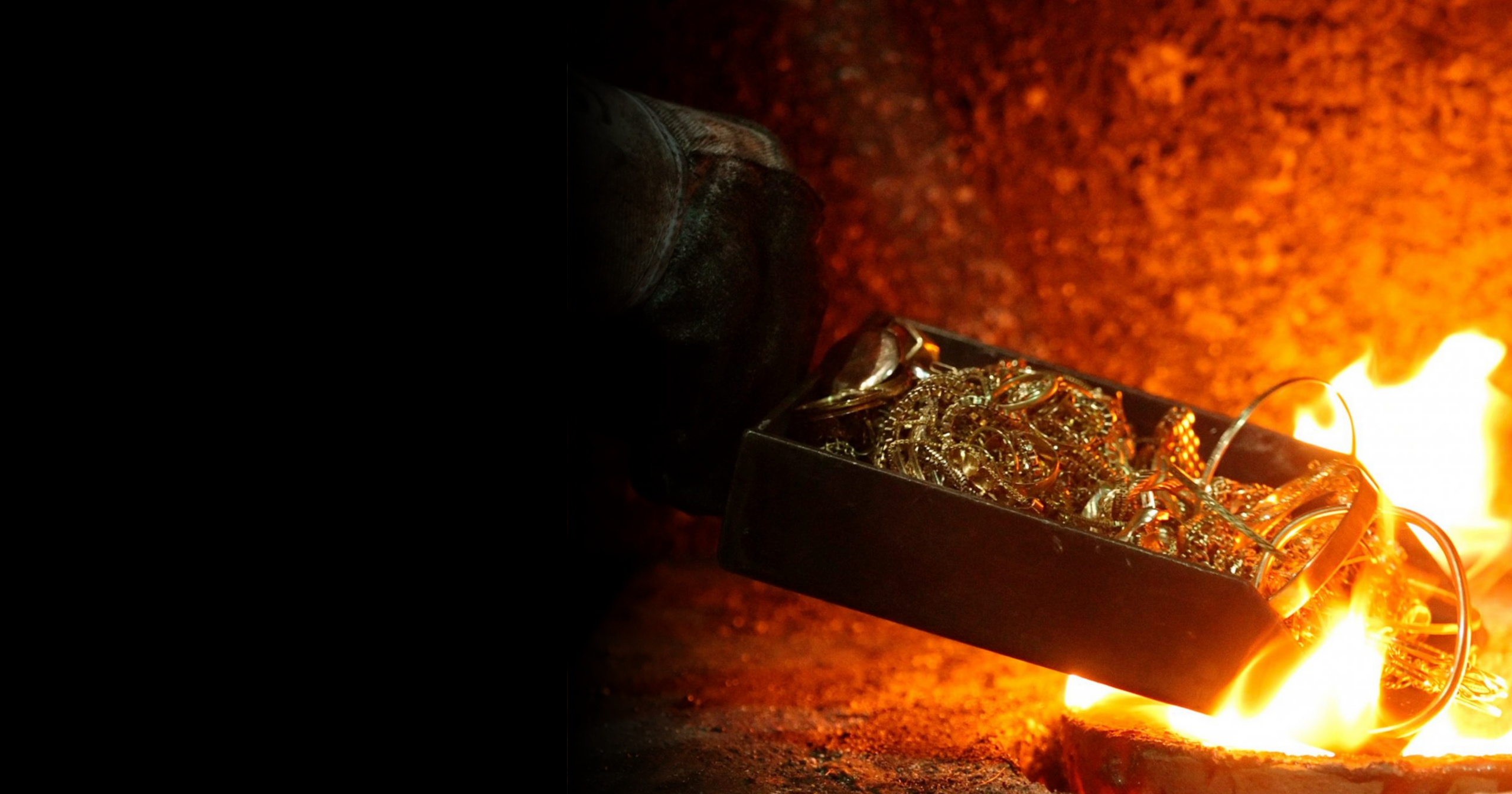
The real technological breakthrough came with the discovery of thermal reduction. Observing that certain raw ores released liquid metal when exposed to high-temperature fires, early humans discovered the metallurgical smelting process.
As primitive campfires proved insufficient for more complex metallurgy, early craftsmen began to create alloys, mixing different elements to modify their physical properties. These experiments led to bronze, a strong alloy of copper and tin, more durable than any of its individual components. The arrival of bronze revolutionized agricultural efficiency and military capabilities, marking a distinct epoch in human development.
The transition to iron then presented significant technical challenges, since its extraction requires much higher furnace temperatures. Once companies had mastered these thermal requirements, the global landscape changed permanently. This methodical process of trial and error, spread over 6,500 years, ultimately laid the technical foundations for the massive production of steel that propelled the Industrial Revolution.
The evolution of monetary value
While base metals such as iron favored the development of infrastructure, gold and silver established themselves as the main references of wealth and prestige. Gold was particularly admired for its chemical stability: it doesn't rust, tarnish or degrade over time. Ancient kingdoms therefore reserved this durable asset for sacred artifacts, royal ornaments and, ultimately, the establishment of structured economies.
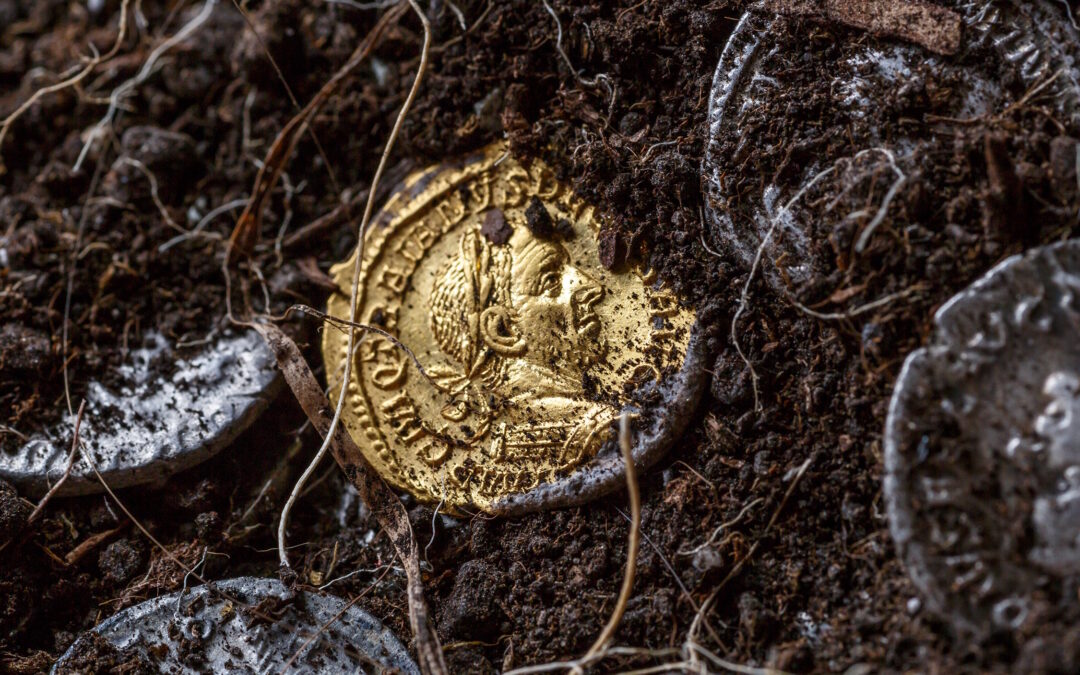
As civilizations perfected the processes of smelting and standardizing precious metals, coins became the principal means of preserving wealth and facilitating trade. Gold and silver coins enabled empires to support long-distance trade while asserting their political sovereignty and know-how.
This tradition continues in the modern financial landscape. Today, the Royal Canadian Mint produces gold and silver bullion and collector coins of exceptional purity. These modern products use advanced smelting, alloying and striking technologies that derive directly from the fundamental methods developed thousands of years ago.
The modern refinery
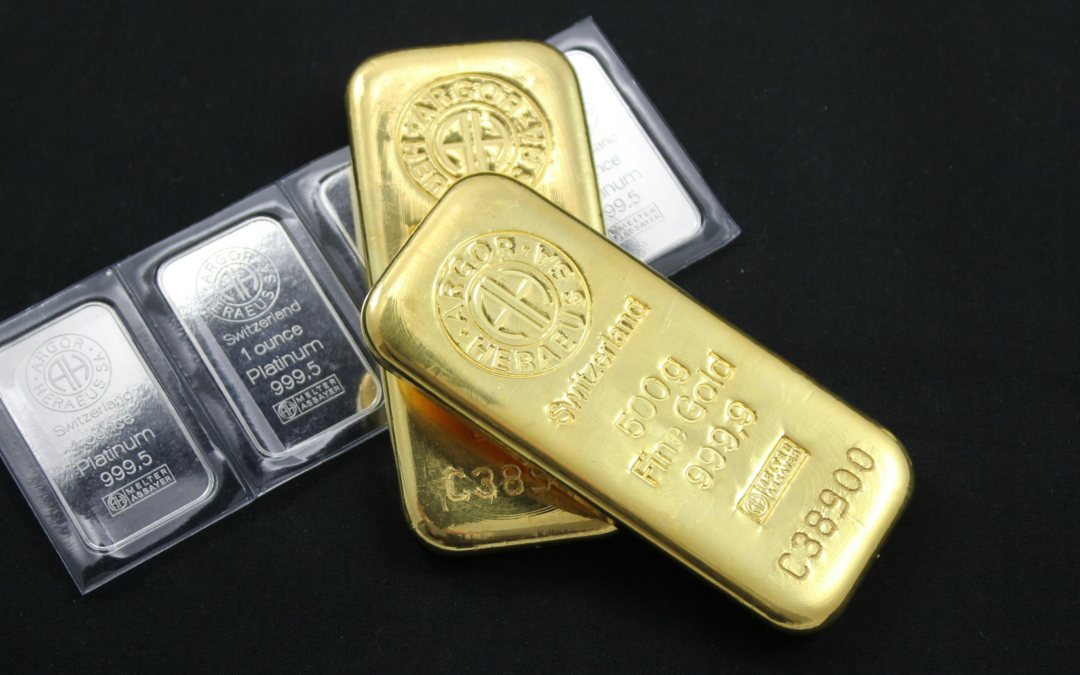
In modern times, metal refining has become a discipline of extreme scientific precision. Modern refiners have replaced rudimentary furnaces with sophisticated laboratory analysis to accurately verify chemical compositions. Today, gold, silver and platinum are refined to near-perfect levels of purity, and serve essential purposes in bullion, fine jewelry and advanced industrial technologies.
The legacy of precious metals
Stripped of its technological complexity, the history of metallurgy represents a continuum of human genius and civilizational ingenuity. The mastery of metals has directly influenced city planning, the outcome of conflicts and the structure of global financial systems.
For modern collectors and investors, precious metals are more than just a number on a screen. They represent a tangible store of value, defined by their rarity and historical permanence. Whether it's an antique coin, a family heirloom or a certified ingot, investors retain a physical link to a tradition of human craftsmanship that spans the entire written history of civilization.