For thousands of years, gold has been used to decorate crowns, jewelry, coins, and precious objects. But every now and then, it turns up in a rather unexpected place:
On the table.
From sparkling flakes floating in champagne to golden chocolates and elaborate wedding cakes, edible gold has become the ultimate culinary finishing touch.
It certainly looks impressive. But what exactly is edible gold? Is it really safe to eat? Does it have any taste? And for precious metal enthusiasts, are you actually consuming something of value?
Let's dive into the topic.
What exactly is edible gold?
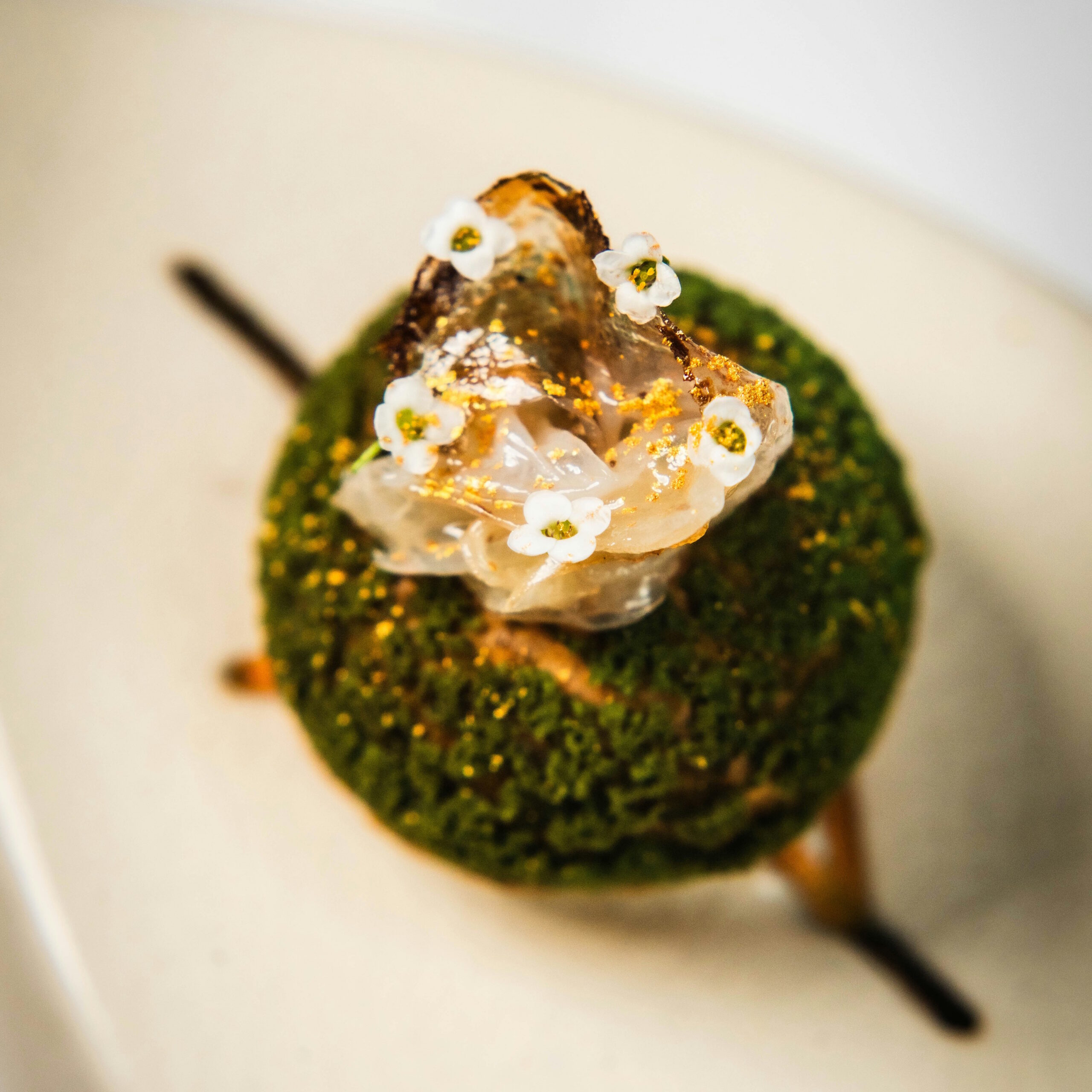
Edible gold is high-purity gold that is specially designed and sold for use in food and beverages. It generally comes in three forms: ultra-thin gold leaf, delicate gold flakes, or fine gold dust.
The key difference is that this form of gold is food-grade.
Gold used in jewelry, coins, or bars is not automatically safe for consumption. Jewelry, for example, is typically alloyed with other metals to make it stronger and more durable. Edible gold, on the other hand, is produced specifically for culinary use and must meet applicable food safety requirements.
Is gold really safe to eat?
In its approved food-grade form, high-purity gold can be used as a decorative food ingredient.
Metallic gold is remarkably unreactive and is neither digested like ordinary food nor absorbed for nutritional purposes. The small amount consumed as a garnish passes largely through the digestive system.
There is, however, an important difference between edible gold and something that simply looks like gold. Handcrafted metal leaf, metal powders, and decorative products should never be considered edible unless they have been specifically manufactured and labeled for food use.
How is edible gold used?
Gold may not be bursting with flavor—or even likely to add anything in that regard—but chefs have found many ways to use it.
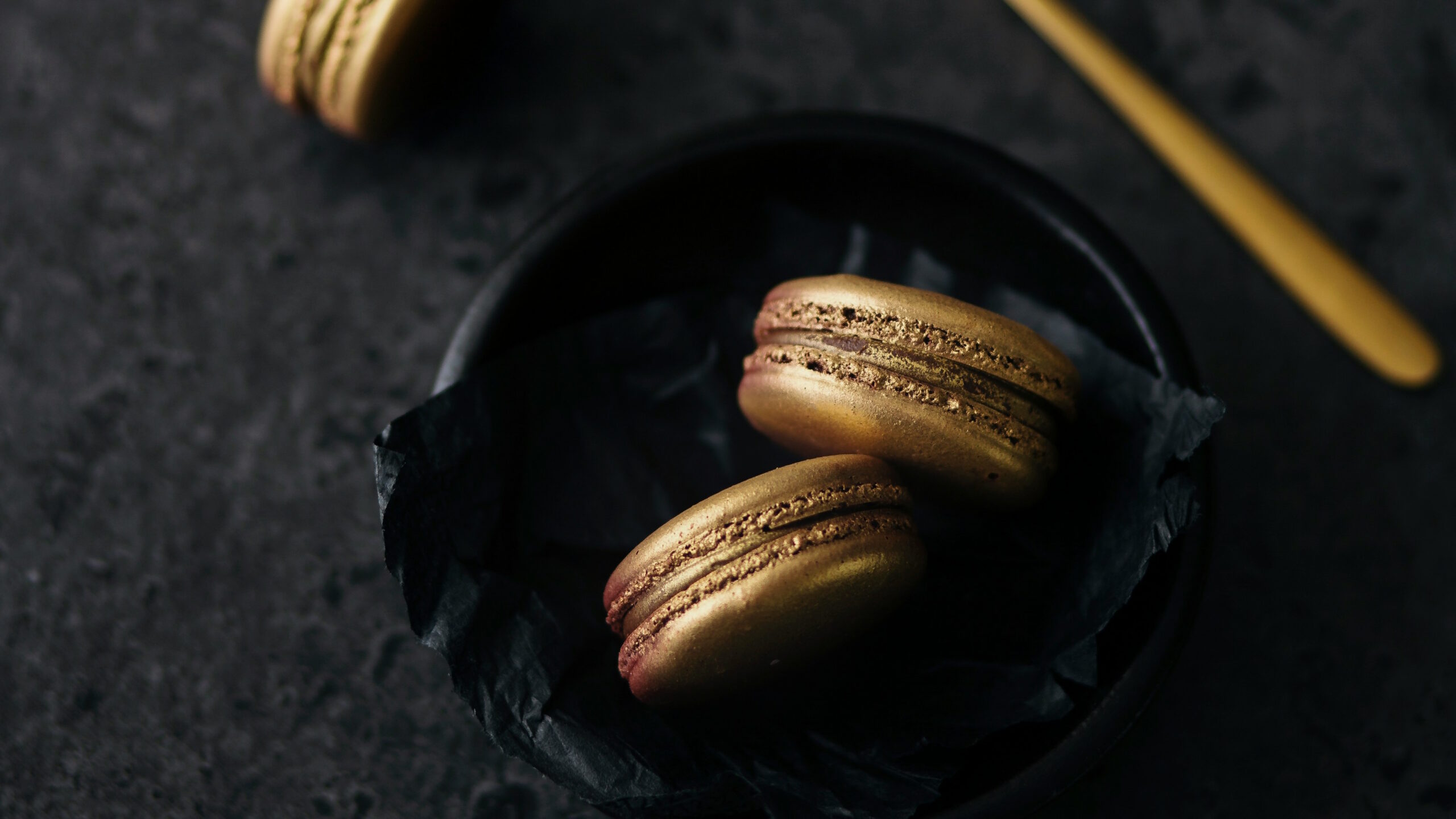
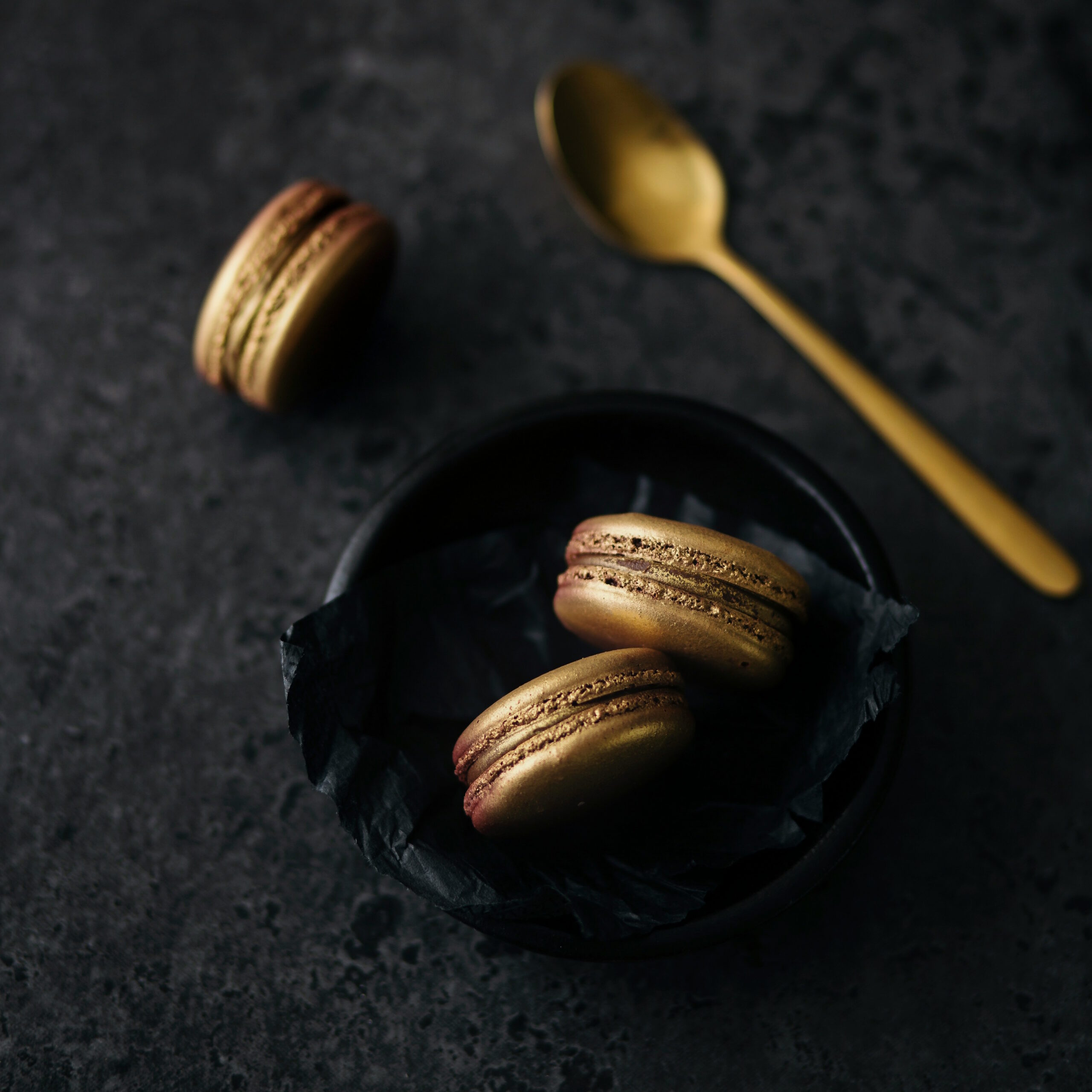
Gold leaf can be delicately applied to chocolates, cakes, pastries, and even savory dishes to create a spectacular golden finish. The smaller flakes are often sprinkled on desserts or added to champagne and cocktails, while the fine gold dust can be brushed onto macarons and chocolates and used as a decorative accent.
Because gold leaf is incredibly delicate, applying it requires a light touch. A sheet of gold leaf can stick to the skin or other materials, curl up, or tear easily.
A luxury with a long history
Although today's gold-dusted desserts seem perfect for photos and worthy of the most glamorous photo shoots, decorating food with gold is far from a modern invention.
Gold leaf has been used for centuries in elaborate European dishes and banquets, where the display of precious materials was a sign of wealth and status. Gold also has culinary traditions in other parts of the world. In Japan, for example, gold leaf is used to decorate specialty foods, confections, tea, and sake.
Today, you no longer have to attend a royal banquet to find it. Edible gold has become a much more common ingredient, regularly appearing in restaurant desserts, celebration cakes, chocolates, and cocktails.
How is gold turned into gold leaf?
Gold is known for being malleable, which means it can be rolled into extremely thin sheets without breaking.
To produce gold leaf, the metal is repeatedly rolled and hammered between protective sheets until it becomes almost unbelievably thin. The finished leaf can be as thin as a fraction of a micrometer.
This exceptional thinness allows a very small amount of gold to cover a surprisingly large surface area. It also explains why working with gold leaf is very different from working with jewelry, coins, or ingots—the items we usually associate with this metal.
What does gold taste like?
After all that effort, surely the gold must add something extraordinary to the flavor?
Not really.
Edible gold is essentially tasteless and odorless, which means its sole purpose is to enhance visual appeal. It won’t make chocolate sweeter or champagne more complex, but it can transform a plain-looking dish into something eye-catching.
Is edible gold really valuable?
Edible gold may contain high-purity real gold, but each leaf is so extraordinarily thin that it contains only a very small amount of the metal.
When you buy edible gold, you’re paying for more than just its raw precious metal content. The price also reflects the specialized manufacturing, handling, and packaging required to transform gold into such a delicate food product.
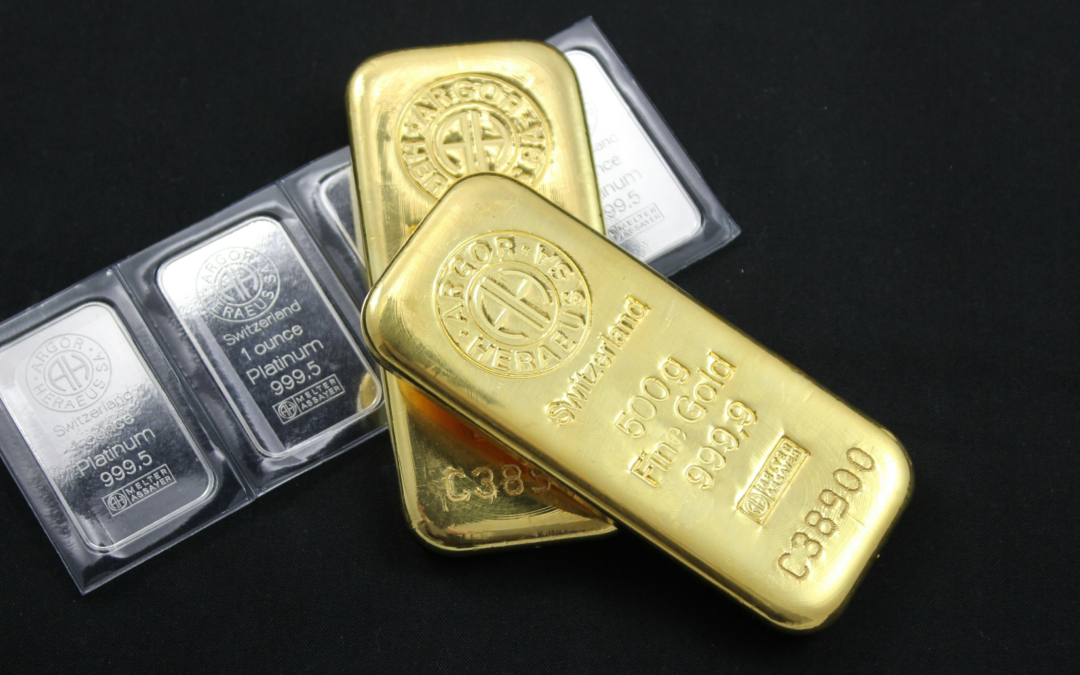
Compare that to a gold bar, where the amount of gold itself accounts for a much larger portion of what you're buying.
The same element. A very different function.
Perhaps that’s what makes edible gold so fascinating. One of the world’s most durable precious metals can serve as a store of value, a piece of jewelry, a collectible, or—on occasion—the finishing touch on a chocolate cake.
This raises the question: Where will gold go next?